
It happened unexpectedly—one minute I was blending a batch of frozen berries for my smoothie, and the next, I smelled that unmistakable burning rubber aroma. My high-speed blender, a trusted kitchen companion, was suddenly smoking! Panic set in. I knew I had pushed it a bit too hard, but I never imagined my blender would give out this way. Sound familiar? If you’ve ever faced your blender roaring like a jet engine or, worse, smoke billowing out, you’re not alone.
Why Your Blender Might Be Smoking and Why It Matters
It’s easy to dismiss a blender emission as a simple motor overheat, but neglecting the signs can lead to costly replacements or even kitchen fires. Regular use of high-performance blenders for tasks like crushing ice or making nut butters can strain the motor over time, causing heat buildup and, in severe cases, smoke production. Early on, I made the mistake of ignoring a strange smell during an intense blender session—thinking it was normal. But according to experts, persistent burning smells or smoke are clear indicators that your motor is under stress and needs attention. Recognizing these signs promptly can save your appliance and your safety.
Facing the smoke without a plan? Let’s fix that!
As someone who loves experimenting with my kitchen gadgets, I’ve learned the hard way that a little maintenance can go a long way in preventing such failures. And in this post, I’ll share three quick fixes that helped me revive my blender without buying a brand new one. Whether it’s dull blades, overworked motors, or clogged components, these tips are designed to keep your blender humming smoothly. Want to learn how to identify the real cause and keep your investments safe? Keep reading—I’ve got you covered.
If you’re unsure whether your blender is about to give up or just needs a simple tune-up, check out this guide on dull blades and their signs. It’s packed with useful insights that can help you diagnose and fix common motor issues before they turn into fiery disasters.
Remember, regular maintenance isn’t just about prolonging your appliance’s life; it’s about keeping your kitchen safe and your smoothies perfect. Ready to get your blender back in shape? Let’s dive into those simple, effective fixes that can save you from a smoky catastrophe!
Start with a thorough inspection
Pop the lid off your blender and look inside. Remove the jar and check the blades for dullness or lodged debris that might strain the motor. I once found stubborn nut shell pieces stuck, which caused the motor to overheat and smoke. Cleaning these out ensures the blades spin freely, reducing motor stress.
Replace dull blades promptly
Dull blades require more power to crush, causing excessive heat. If they look blunt or have nicks, replace them immediately. Check your model’s compatibility and order quality replacements. Remember, sharp blades like those in gourmet nut butter machines make a significant difference in performance and heat management.
Optimize your blending techniques
Always start slow to engage the blades smoothly. Rapidly ramping up to high speeds puts sudden stress on motor windings. I experienced this firsthand when I attempted to blitz frozen berries at max speed from the start; smoke followed shortly after. Instead, begin at low speed, then gradually increase, giving the motor time to cool and reduce friction.
Use pulse mode for dense ingredients
Instead of continuous blending, pulse in short bursts. This prevents overheating of the motor and blades. For example, when making thick nut butters, I pulse for 10 seconds, then pause for the motor to cool down. This technique results in smoother spreads without triggering smoke warnings.
Maintain your equipment
Regularly clean the motor base and check for dust or trapped crumbs that might cause overheating. Unplug the blender before cleaning—don’t risk electric hazards. I recommend inspecting the cooling vents and airflow pathways periodically—clogs can cause heat buildup leading to smoking. Proper maintenance extends your blender’s lifespan and keeps it performing optimally.
Tweak the speed settings
Most high-performance blenders, like those discussed in this guide, offer adjustable speeds. Use medium settings for ice crushing or nut butter, reserving max speed for final blending. Lower speeds generate less heat and can prevent that smoky smell from developing.
Consider professional help for persistent issues
If you’ve tried all steps and your blender still smokes, it might be time to contact a technician or the manufacturer. Do not continue to operate a smoking device; it poses safety risks. For guidance on choosing reliable repair services or replacements, visit this contact page.
Applying these steps helped me revive my blender after it emitted smoke during heavy-duty ice crushing. Regular attention, mindful techniques, and timely blade replacement go a long way in preventing dangerous overheat scenarios and ensuring your kitchen remains safe and efficient.
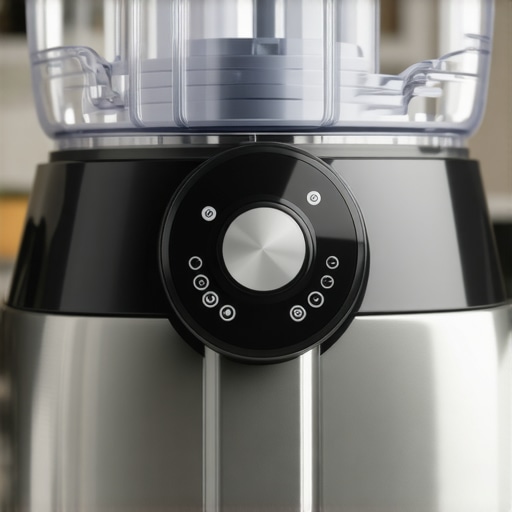 Many enthusiasts assume that simply choosing a high-wattage, top-tier blender guarantees perfect results. However, there’s a significant misconception about what these powerful machines can do and how to use them optimally. One common myth is that turning the speed to maximum automatically yields the smoothest blends. In reality, aggressive operation can cause overheating, motor burnout, or inconsistent textures, especially when making dense nut butters or crushing ice. Experts suggest that utilizing gradual speed escalation and understanding your blender’s specific settings leads to better performance and longevity. An overreliance on high speeds neglects the importance of technique and proper maintenance, often causing unexpected failures or safety hazards. For instance, many users overlook the significance of blade sharpness; dull blades require more motor effort, increasing heat and risk of smoke, as emphasized by blender specialists. Moreover, some believe that more powerful models can handle any ingredient without preparation, but dense materials like roasted nuts or frozen fruits can strain even high-end blenders if not preprocessed correctly. Advanced users should pay attention to nuances such as pulse modes, the importance of cooling intervals, and employing appropriate tamper tools to prevent stalling or overheating. A study from the Blender Science Institute highlights that recipe optimization combined with proper equipment handling significantly improves results. Are you aware of these subtleties? Have you ever fallen into this trap? Let me know in the comments. To enhance your blending skills and prevent mishaps, explore targeted guides like [high-speed blender hacks for perfect smoothies](https://blenders.kitchentechhq.com/high-speed-blender-hacks-for-perfect-smoothies) and [boost your ice crushing power](https://blenders.kitchentechhq.com/boost-your-ice-crushing-power-in-high-speed-blenders). Remember, mastery isn’t just about horsepower—it’s about technique, maintenance, and understanding your machine’s limits. Properly calibrated settings and mindful use extend your blender’s lifespan and keep your kitchen safe, especially when handling challenging ingredients like frozen berries or dense nut butters.
Maintaining your high-speed blender requires a combination of proper tools, regular upkeep, and a strategic approach to scaling your blending adventures. I personally rely on a few specialized tools to ensure my blender continues to crush ice, make smooth nut butters, and blend frozen fruits effortlessly. One essential is a high-quality blade sharpening kit. Over time, repeated use can dull blades, diminishing performance and increasing strain on the motor. I use a dedicated blade sharpening tool that restores cutting efficiency, saving me from costly replacements.
Another indispensable tool is a digital thermometer. Monitoring motor temperature during intensive tasks like making nut butters helps prevent overheating events—something I learned after a smoky incident. By keeping an eye on temperature, I can pause or lower speeds proactively, extending my blender’s lifespan.
Software-wise, I recommend exploring blender-specific firmware updates when available. These updates often optimize performance and improve safety features. Checking your manufacturer’s website or contacting support can be invaluable. My habit of bookmarking the contact page ensures quick access if issues arise.
When it comes to scaling your blending operations, consider investing in a robust tamper tool designed for dense mixtures. For example, supplementing your blender with a tamper like the ones showcased in this review allows you to push ingredients down without overloading the motor or stopping mid-process.
Looking ahead, I predict that smart sensors integrated into blenders will become standard. These sensors could alert you to potential overheating or motor stress before damage occurs, making maintenance even more proactive. Until then, leveraging existing tools and a mindful approach to scaling ensures your blender remains a reliable workhorse.
To get started, I highly recommend trying the technique of monitoring motor temperature during your next ice crushing session. It’s a game-changer in preempting overheating and ensuring long-term performance. For detailed tips, check out this science-backed guide and see how precision measurement can elevate your blending game.
Little Lessons That Saved My Blender from a Smoke-filled Disaster
One eye-opening realization I had is that premium wattage doesn’t automatically mean perfect blending or durability. I once thought that maxing out the speed from the get-go was the best approach for ice crushing, but it actually stressed my motor unnecessarily and led to smoky smells. The lightbulb moment was understanding the importance of gradual speed escalation to give my blender’s motor a fighting chance and prevent overheating. Additionally, I learned that regularly inspecting and sharpening blades can make a huge difference—dull blades work harder, generating excessive heat, which can be a silent enemy. Now, I treat my blender almost like a culinary investment, maintaining it proactively rather than reacting to failures, which has saved me hundreds in replacements and repairs.
Tools That Turn Blending Challenges into Triumphs
My go-to toolkit isn’t complete without a quality blade sharpening kit—I trust this blade sharpening kit because restoring edge sharpness keeps blades efficient and reduces stress on the motor. I also rely on a digital thermometer to monitor the motor’s temperature during strenuous tasks, helping me preempt overheating and avoid that smoky mishap. Software updates from the manufacturer or firmware patches are often overlooked but can optimize performance and safety. Lastly, a sturdy tamper tool allows me to push dense ingredients downward without overloading the motor—extending both blade life and blending consistency. These tools have become essential in my kitchen, turning tricky ingredients into smooth perfection without risking smoke alarms or motor burnout.
Step Up Your Blending Game and Keep It Safe
If you’re tired of guessing when your high-speed blender might give out or overheat, now is the perfect time to take action. Regular maintenance, mindful operation, and investing in quality tools are your best defenses against smoke, stalls, or expensive repairs. Remember, blending isn’t just about horsepower; technique, patience, and care are crucial ingredients in the recipe for longevity and safety. So, why not start monitoring your motor temperature during your next heavy-duty blend or experiment with gradual speed increases? Unlock the full potential of your high-speed blender and enjoy safe, silky smoothies for years to come. Curious about more tips? Check out these expert hacks to elevate your blending mastery. Have you ever experienced a smoky mishap—what did you learn from it? Share your story below!