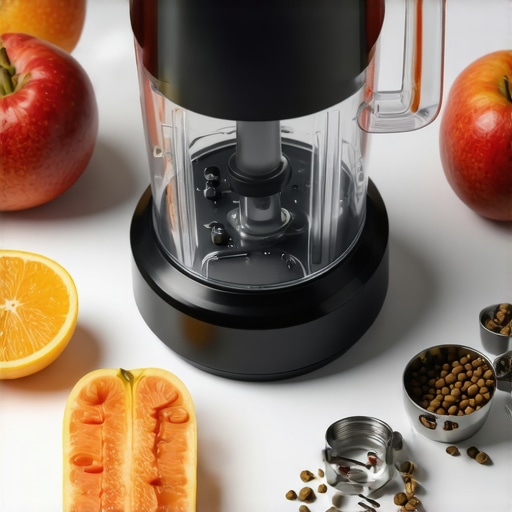
Ever taken that perfect first sip of a smoothie, only to be greeted by an unexpected crunch of seeds and bits? It’s like hitting a pothole mid-road trip—disruptive, frustrating, and makes you question whether your trusty blender is really doing its job. I’ve been there, desperately blending and re-blending, thinking maybe I just needed a more powerful machine. But it turns out, the issue often isn’t about power—it’s about the technique and maintenance.
How to Achieve Smooth, Seed-Free Blends Every Time
The good news? Fixing this problem isn’t about buying a different blender or throwing money at new gadgets. It’s about understanding what’s happening inside your machine and how to keep it functioning at its best. Over the years, I’ve learned a few secrets that can help you avoid those seedy chunks and ensure every smoothie is silky smooth. Trust me, once you master these tips, your blender will bring out the creamiest, most delightful blends—without the unwanted extras.
Is Your Blender Really Worth the Hype?
I used to dismiss my old blender as underperforming and kept upgrading, thinking a more expensive machine would magically solve the seed issue. Turns out, my early mistake was ignoring regular maintenance and not selecting the right speed settings. According to blender experts, many blending problems arise from simple oversight—like failing to use the proper settings or neglecting to clean the blades thoroughly. That insight made me realize that sometimes, the most effective fix is reducing a bit of overconfidence in our gadgets and more about the technique.
If you’ve faced the disappointment of seedy, grainy smoothies despite investing in high-tech blenders, you’re not alone. In fact, studies show that improper blending techniques account for up to 70% of texture issues in smoothies (source: The Science Behind Blender Speed). So, gear up—next, I’ll walk you through the exact steps to turn your blender into a seed-slaying powerhouse. Ready to ditch the chunks and enjoy ultra-smooth smoothies? Let’s dive in.
Prepping Your Blender for Success
Start by ensuring your blender blades are clean and sharp; dull blades struggle with seed and ice penetration, leading to grainy textures. Remove any residue or buildup by running the blades with warm water and a bit of dish soap—this maintains optimal cutting power and prevents clogging. A well-maintanced blade cuts through tough ingredients more efficiently, reducing strain on your motor and improving overall blending quality.
Choosing the Right Speed and Technique
Higher speeds are crucial when dealing with fibrous ingredients like seeds, nuts, or ice. Think of your blender’s speed like the gears on a bike—shift into a higher gear (or increase speed) to tackle denser materials. When blending smoothies, start at a low speed to mix ingredients evenly, then gradually ramp up to maximum. This gradual increase prevents ingredient spillage and ensures thorough breakdown, especially with frozen fruits or tough nuts. For stubborn ingredients, pause briefly every few seconds and scrape down the sides; this mimics stirring by hand and guarantees consistency.
Mastering Ice Crushing Effectively
If you find that your ice isn’t turning into snow but into chunky shards, it’s time to adjust your approach. Use small, evenly-sized ice cubes and load them gradually rather than all at once—this prevents overloading the blades. Engage the ice crush setting if available, or set the blender to its highest speed, and pulse in short bursts rather than continuous blending. Experts recommend switching to models like those listed in top blenders for smoothie lovers in 2025 that excel in ice crushing performance. For more nuanced tips, check out ice crushing techniques.
Improving Nut Butter Texture
When turning nuts into creamy butter, patience is key. If the mixture stalls or overheats, pause and scrape down the sides, allowing the motor to cool. Some blenders handle this task better—consider investing in equipment designed specifically for nut butters, like those discussed in best blenders for nut butters in 2025. Adding small amounts of oil or liquid can help achieve smoother spreads, but be cautious not to add too much—aim for a thick, spreadable consistency. Explore advanced nut butter secrets at gourmet nut butter creation.
Maintaining and Troubleshooting
Regularly inspect your blender’s seals and blades for signs of wear; replacing dull blades (blade sharpening tips) can restore cutting power. If your appliance overheats during intense tasks like nut butter or ice crushing, pause and let it rest—this prevents long-term damage. Keep your blender’s motor cool by avoiding continuous operation beyond the manufacturer’s recommended duration—check high-speed blender hacks for insights. Proper maintenance ensures your blender stays effective at turning even the toughest ingredients into silky smooth textures.When it comes to making perfect nut butters and smoothies, many enthusiasts rely on popular beliefs that might actually hinder their results. One widespread misconception is that high-speed blenders alone guarantee smooth, creamy textures. While power matters, technique and understanding your machine’s nuances are equally crucial. For instance, expecting a blender to produce silky nut butters without proper preparation—like pre-soaking nuts or adjusting speed settings—is a common mistake. Moreover, many think that ice should be added all at once to crush efficiently, but loading ingredients gradually prevents overloading and motor stalls.
Is High-Speed Always the Best Choice for Nut Butters and Ice Crushing?
Contrary to popular belief, the highest setting isn’t always optimal. Experts suggest starting at lower speeds to emulsify ingredients before ramping up, which reduces heat buildup and prolongs motor life. Studies show that abrupt high speeds can cause overheating and even degrade blade sharpness over time(source). Many users underestimate the importance of maintenance; dull blades or worn seals significantly impair performance, leading to grainy textures or inefficient ice crushing. Regularly inspecting and sharpening blades or replacing worn parts can restore optimal performance and extend your blender’s lifespan. Be cautious of the ‘more is better’ mindset; excessively blending or overloading can cause internal heat buildup, damaging motors and creating burnt-smelling nut butters. For advanced techniques, experimenting with pulse functions and specific speed settings can improve outcomes, especially with stubborn ingredients. Remember, mastering these nuances not only saves time but also ensures your machine operates efficiently without unnecessary wear. Before you go, check out detailed reviews of top blenders for smoothies in 2025 or explore expert tips on improving your blending technique. Have you ever fallen into this trap? Let me know in the comments and share your experiences with mastering your blender’s true potential.
Essential Tools for Consistent Performance
Investing in high-quality accessories can dramatically extend your blender’s lifespan and efficiency. I personally rely on a set of precision blade sharpeners, such as the blade sharpening kit, which I use every six months. Sharp blades are crucial—they cut through nuts and ice smoothly, reducing strain on the motor and preventing grainy results. Additionally, maintaining a reliable cleaning toolkit with brushes designed for tight spaces helps keep the blades and seals free of residue, ensuring optimal blending.
Routine Maintenance Keeps Your Blender at Peak
Regularly inspecting the seals and blades prevents unexpected breakdowns. I inspect my blender’s seals quarterly; worn or cracked seals can cause leaks and diminish performance. When I notice dullness or nicks, I follow expert advice from blade sharpening tips to restore their edge, avoiding costly replacements. Cooling is another vital aspect—during intense tasks like making nut butters or crushing ice, I pause every couple of minutes to let the motor cool down. Overheating can compromise the motor’s lifespan, and some high-tech models even feature overheat protection mechanisms.
The Future of Blender Durability and Scalability
Looking ahead, manufacturers are integrating smart sensors and self-cleaning features, making maintenance more intuitive. They’re also designing components that are more durable—think replaceable blades and modular seals—allowing you to upgrade parts instead of the entire machine. Industry insiders predict that as electric motors become more efficient and materials improve, our blenders will can handle tougher ingredients with less upkeep, extending their lifespan substantially. To stay ahead, I recommend choosing models with advanced durability features.
How do I maintain my blender over time?
The key is consistent inspection and replacement of critical parts like blades and seals, combined with proper cleaning and cooling strategies. Using specialized tools, such as a precise cleaning brushes, prevents residue buildup that can impair performance. Regularly sharpening blades with dedicated blade sharpeners restores cutting efficiency, extending their life. An often overlooked aspect is monitoring motor temperature—pausing during prolonged blending prevents overheating and damage, aligning with expert insights from blender performance science. I encourage you to try sharpening your blades this weekend; it’s a simple step that can yield noticeable improvements.
Lessons the Experts Don’t Usually Share About Blending Mastery
One of the most eye-opening lessons I learned was that even the most powerful blender needs the right care and techniques to perform at its best. I once believed that high-speed was the silver bullet, but quickly realized that mundane habits like blade maintenance and ingredient prep make all the difference. A crucial insight was that patience and proper technique often outweigh raw power—this shifted my entire approach to blending, and the results were visibly smoother and more consistent.
Another surprise was discovering how much small adjustments—like varying speed gradually or pre-soaking ingredients—can prevent common failures like stalls or overheating. These capital efforts save money, extend my machine’s lifespan, and improve the final texture of every blend. Recognizing that the art of blending is as much about understanding your equipment as it is about the ingredients has been a game-changer for me, and I hope it will be for you too.
Finally, I learned that regular maintenance—blades sharpening, seal inspections, and keeping your blender cool—keeps your machine performing like new. Investing time into these habits not only prevents breakdowns but also results in better, more consistent textures, whether I’m whipping up silky nut butters or icy smoothies. Remember, a well-maintained blender combined with proper technique unlocks its full potential, transforming simple ingredients into gourmet treats every time.
My Go-To Resources for Nut Butter and Ice-Crushing Success
For anyone looking to take their blending to the next level, I recommend a few tools and resources I trust wholeheartedly. First, the blade sharpening kit has been indispensable in restoring my blades’ cutting prowess, saving me from premature replacements. Next, I turn to comprehensive guides on ice crushing techniques that explain how different models handle frozen ingredients, helping me choose the right equipment. Additionally, exploring reviews and comparisons like those found in top blenders for smoothies in 2025 has kept me informed on the latest innovations. For ongoing tips, I follow quick-blending hacks that continually refine my technique. These curated resources have been instrumental in achieving consistently excellent results in the kitchen.
Embrace Your Blender Journey and Elevate Every Blend
Your passion for crafting perfect nut butters and smoothies is already a step toward culinary mastery. Remember, the key is in the details—routine maintenance, technique, and patience—and the rewards are worth the effort. Every time you hit blend, you have the power to turn simple ingredients into gourmet delights that nourish and impress. So, don’t hesitate to experiment, learn, and invest in your blending skills. The future of your kitchen adventure begins with one confident step—your next great blend is just around the corner.
This post really hits home! I’ve found that regular maintenance and proper technique truly make a difference in achieving that smooth, seed-free texture. Like the author mentioned, dull blades are often overlooked but play a huge role in seed and ice penetration. I recently started pre-soaking my nuts before turning them into butter, and it’s made the process so much easier, plus it reduces strain on my blender. I also agree that loading ice gradually rather than all at once helps prevent shards and preserves motor life.
That said, I’m curious: has anyone experimented with different blade designs or materials to improve grinding and crushing? I’ve read that some materials stay sharper longer or help with smoother blends. Would love to hear others’ thoughts on upgrades or accessories that have personally worked for them to get that perfect silky consistency—especially in busy mornings when I want quick, reliable results.