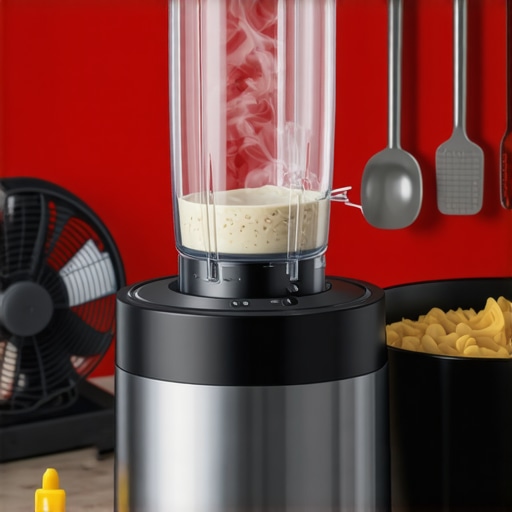
Ever had that sinking feeling when your high-speed blender suddenly shuts down while processing creamy hummus? I know I have. One minute, I’m blending away, and the next, my machine emits a faint whine before going quiet—overheated and frustrated. That moment of annoyance is all too familiar and can leave you wondering, why is this happening? Is it just a lemon, or is there something I’m missing?
The Struggle of Blending Thick, Nutty Spreads
When I first started experimenting with homemade nut butters and smooth hummus, I thought I could toss everything in and let the magic happen. But my trusty high-speed blender kept stalling, overheating, or even emitting smoke. Turns out, the issue wasn’t my machine’s fault—it was my technique and understanding of how to handle dense, thick ingredients without overloading the motor. And let me tell you, it’s a learning curve that many of us face initially.
From my personal experience, tackling this overheating problem is more manageable than you might think. Today, I want to share a few practical fixes that helped me transform my blender sessions from frustrating to fun. These tips are based on both my trial-and-error journey and insights from Blender experts such as those found in their comprehensive guides. With these techniques, you’ll be able to blend your favorite spreads without risking burnout.
Are you worried that fixing your blender might be more complicated than it’s worth?
Trust me, I’ve been there. Early on, I made the mistake of pushing my blender too hard without giving it a breather—something I learned the hard way. That mistake often leads to overheating and, worse, damaged motors. But once I started applying simple fixes like adjusting my technique and understanding my blender’s limits, the overheating stopped. Want to learn how you can do the same? Let’s dive into the secrets that can extend your blender’s lifespan and improve your kitchen game.
Adjust Your Loading Technique
When I attempted to make a dense almond butter, I started by adding just a small handful of almonds and a tablespoon of oil. This prevented the motor from overloading from the start. Similar to feeding a fire small, consistent logs rather than large ones, keep the ingredients manageable. This method distributes the workload evenly, reducing strain on the motor and avoiding overheating.
Use Pulse and Short Bursts
In my nut butter sessions, I found that blending in short pulses—30 seconds on, 15 seconds off—made a big difference. This technique allows the motor to cool slightly between bursts. Think of it as giving your blender a short breather after brief exertion, which maintains effectiveness without risking damage. For further insights, check this guide on preventing overheating.
Adjust Speed Settings Wisely
Starting at a low speed and gradually increasing to higher settings as ingredients break down ensures less motor stress. When making smoothies with frozen berries, I begin at speed 3 before moving to 6. This incremental approach minimizes sudden high loads that cause overheating. Consult this resource on blender speed settings for tailored advice.
Pre-Cut Ingredients to Facilitate Blending
Chopping tough ingredients like nuts or frozen fruit into smaller pieces before adding them reduces the motor’s workload. I used a sharp knife to halve or quarter nuts and break larger frozen chunks. This step is akin to pre-chopping vegetables for soup—making the process more efficient and gentle on the machine. It’s especially crucial for thick spreads or ice, where larger pieces can jam or overheat your blender.
Optimize Your Blade and Container Setup
Ensure your blades are sharp and properly assembled; dull blades force the motor to work harder. I periodically check and sharpen my blender blades, which significantly improves performance. Additionally, using a container with a broad base helps ingredients circulate better, reducing motor strain. For the best match, explore this guide on choosing the right blender setup.
Incorporate Rest Periods During Blending
Just like resting muscles after exertion, giving your blender brief breaks during prolonged sessions prevents overheating. For example, blend for 30 seconds, then pause for 20 seconds, especially when working with dense ingredients. This practice cools the motor naturally and prolongs its lifespan. If you want to delve deeper into this approach, see the science of blender performance.
Many enthusiasts believe that all blenders handle nut butters and ice equally well, but this is far from the truth. A prevalent misconception is that any high-speed blender can effortlessly crush ice or produce perfect nut butters without considering the machine’s torque and blade design. In reality, not all blenders are created equal for these tasks, and relying solely on branding can lead to subpar results or even damage. For instance, some popular models lack the robust torque necessary for dense nut butters, leading to overheating or stalling. To truly master your blender’s potential, read our expert insights on nut butter preparation and understand the nuances that distinguish professional-grade machines from average ones.
Invest in Quality Tools That Last
One of the most reliable ways to ensure your blender remains a dependable kitchen companion is choosing high-quality equipment designed for heavy-duty use. I personally swear by professional-grade blenders with robust torque motors. These models handle dense nut butters and ice crushing effortlessly, reducing wear and overheating over time. Opting for a high-torque blender equipped with powerful blades and a sturdy container setup is critical for long-term performance, especially if you blend regularly.
Use Proper Maintenance Routines
Regular maintenance prolongs your blender’s lifespan and maintains peak performance. After every session, clean the blades thoroughly by running a mixture of warm water and dish soap, and check for dullness or buildup. Periodically sharpening the blades with a blade sharpening kit ensures they cut more efficiently, reducing motor strain. Additionally, inspect the motor housing and seals for signs of wear. Proper upkeep prevents overheating, minimizes mechanical failures, and keeps your nutrition game strong.
Leveraging Smart Tools to Monitor Performance
Technology is evolving, making blender maintenance more intuitive. Consider models with built-in sensors that monitor motor heat and suggest cooldown periods. These smart blenders can even log usage data, helping you identify patterns that lead to overheating. Such tools empower you to optimize blending times and avoid unnecessary wear. As the trend of connected kitchen appliances grows, investing in this smart tech could revolutionize your blending routine, ensuring consistent quality and equipment longevity.
Predicting the Future of Blender Durability
As innovation continues, expect future blenders to feature advanced cooling systems, material improvements, and AI-guided operations. These enhancements will make heavy-duty tasks like nut butter creation and ice crushing more effortless and reliable. Staying updated with the latest models and techniques—like those discussed in their science-backed advice—will keep your kitchen running smoothly for years to come. Don’t hesitate to experiment with using a tamper or adjusting your technique, which can significantly boost performance without costly upgrades.
What’s the Best Way to Keep Your Blender Effective Over Time?
Consistency is key. Incorporate these maintenance practices regularly, from sharpening blades to monitoring motor temperature. Also, consider a dedicated heavy-duty model for frequent, intense blending sessions. Remember, an ounce of prevention is worth a pound of cure—simple actions now save you from expensive repairs and replacements later. Plus, always follow the manufacturer’s guidelines to avoid voiding warranties or damaging your invaluable equipment.
Ready to Take Your Blending to the Next Level?
Test out the technique of sharpening your blades regularly combined with a cooling cycle—this step has drastically improved my nut butter quality and reduced overheating episodes. By embracing these expert-recommended methods, you can ensure your blender remains your loyal kitchen ally for countless delicious creations.
The Hard-Won Wisdom of Blending Dense Ingredients
My personal lessons reveal that patience and technique are paramount when working with thick, hearty ingredients in high-speed blenders. Rushing the process or ignoring your machine’s signals can lead to overheating, smoke, or costly repairs. Embracing a gentle approach—like pre-chopping nuts, using short pulses, and giving your blender rests—transforms frustrating sessions into satisfying culinary achievements. Remember, your blender’s longevity depends on respecting its boundaries and applying the methods seasoned users swear by.
Curated Gems for Nut Butter and Ice Crushing Success
To elevate your blending journey, I recommend exploring expert insights on nut butter preparation, which provide invaluable tips on achieving creaminess without strain. For mastering ice crushing, tools like these specialized guides have helped me understand the nuances of different models, saving time and preserving my equipment. Investing time in these resources ensures you choose the right tools and techniques for your needs.
Your Next Step Towards Kitchen Mastery
Now is the perfect moment to apply these personalized strategies, consistently respecting your blender’s power and limits. By integrating simple habits like blade sharpening, using appropriate loading techniques, and scheduling regular rests, you extend your blender’s life while achieving delicious, smooth results every time. Remember, mastering your equipment is not just about technology but cultivating patience and expertise—traits that turn everyday blending into a true art form.