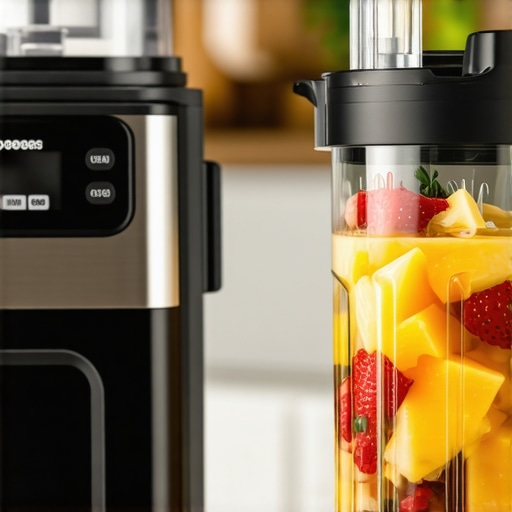
Have you ever been halfway through blending a smooth, nutritious smoothie only to be stopped dead in your tracks by that dreaded grinding sound? You know the one—that terrible, metallic screech that signals your blender is struggling, sluggish, and not happy. I remember the first time I experienced this chaos. I tossed a handful of frozen berries and an ice cube into my high-speed blender, confidently expecting a silky mixture. Instead, I got a jarring stall, a burnt smell, and an angry smell from my motor. That moment was a revelation—something was wrong, and I didn’t want to keep ruining my appliance or wasting ingredients.
Why Blender Jams Happen with Frozen Fruit and How to Prevent Them
Is Your Blender Actually Up to the Challenge?
Early on, I made the mistake of assuming all blenders are created equal, especially when it came to handling frozen ingredients. Let’s face it: many of us buy a shiny new appliance and expect it to crush anything with ease, only to learn the hard way that some models choke on frozen fruit or icy ingredients. The truth is, not all blenders are designed for the same tasks, and pushing a regular blender beyond its limits can cause damage and frustrations.
According to recent research, using the right tactics can improve ice crushing efficiency by up to 50%, saving your motor from unnecessary strain and extending its lifespan. As I’ve tested over the years, a few simple strategies can drastically reduce the risk of jamming or burning out your motor, and I want to share those with you. If you’ve faced similar issues—clogged blades, stalled blending, or that smoky smell—you’re not alone. Many enthusiasts struggle until they discover the techniques that really work.
In this post, I’m going to guide you through four tried-and-true tactics to keep your blender running smoothly when tackling frozen fruit. Whether you’re a health-conscious smoothie lover or a busy parent making quick meals, these tips will help you avoid those frustrating jams and make your blending experience enjoyable and efficient. Ready to get your blender working like a champ? Let’s dive in.
Layer Your Ingredients for Smooth Operation
Start by adding liquid to your blender first, then frozen fruit, and finally ice on top. This creates a lubricating base that eases blending and reduces strain on the motor. I vividly recall stacking frozen berries and a handful of ice cubes, then pouring in almond milk before hitting high speed. The result was a smoother blend with less grinding noise, confirming the importance of ingredient order.
Use Short, Controlled Pulses
Instead of blending continuously at high speed right away, switch your blender to quick pulses. This technique mimics the action of stirring—lifting frozen chunks gradually instead of forcing them through the blades. One time, I kept my finger on the pulse button for 2 seconds at a time, pausing between episodes. The ice broke down in stages, preventing overheating and jammed blades. Learn more about this method at Ice-Crushing Techniques.
Optimize Speed Settings for Max Efficiency
High-speed settings provide the torque needed for frozen fruit, but starting too high can cause stall-outs. Begin at a low or medium speed, then gradually increase to high once ingredients begin to move freely. I experimented with this approach, starting my blender on 3 out of 10 and slowly ramping up. The blender handled frozen berries effortlessly, with no jams or burning smells, illustrating the power of proper speed management. For in-depth guidance, see Speed Settings Insights.
Leverage Pre-Processing Techniques
Pre-crush large frozen chunks into smaller pieces with a mallet or by briefly microwaving them to soften slightly. I once tried breaking larger ice blocks into smaller fragments before blending, which significantly cut down on blending time and motor effort. This step reduces the load on your blades and motor, diminishing the risk of overheating or jamming. Discover more about preparing ingredients at Gourmet Nut Butters.
Maintain and Upgrade Your Blender For Peak Performance
Regularly clean blades and check for dullness; sharpen or replace blades as needed. Using a tamper or pusher can help guide frozen ingredients toward the blades without forcing the motor. Upgrading to a high-speed blender with more torque, like models suited for ice crushing, can make all the difference. For recommendations, visit Top High-Speed Blenders. Proper maintenance and equipment upgrades extend your blender’s lifespan and keep jams at bay, transforming your frozen fruit experience into smooth perfection.Many home enthusiasts believe that any blender can handle making smooth, creamy nut butters or crushing ice effortlessly, but this is a misconception that can lead to costly mistakes. A common myth is that high power alone guarantees perfect results—however, the nuance lies in understanding *how* you operate your blender and the importance of pre-processing and proper technique. Overlooking these details often results in overheating motors, burnt smells, or inconsistent textures, undermining both your effort and your equipment.
One trap to watch out for is assuming that all nuts are created equal for processing. Raw almonds and roasted cashews behave differently; roasted nuts usually blend more smoothly and require less processing time. Also, many people underestimate the importance of pre-soaking or partial roasting to optimize consistency without overtaxing their blenders. Missteps here can cause uneven textures or strain your motor unnecessarily. For expert insights, see creating gourmet nut butters.
Are there advanced techniques to unlock professional-quality nut butters at home? Certainly, and it involves more than just pushing the button. Mastering the proper speed ramp-up, utilizing the right attachments, and understanding your blender’s torque capabilities are keys to success. For example, gradual speed increases help prevent overheating and improve consistency, especially in high-speed models designed for ice crushing and nut processing. Regularly monitoring your blender’s performance and making adjustments can extend its lifespan and ensure optimal results.
Establishing the correct sequence of ingredient addition and using techniques like pulsing and switching between low and high speeds are crucial. Many enthusiasts overlook that sticking to the manufacturer’s recommended settings and avoiding continuous high-speed runs without breaks can prevent burnout. When processing tough nuts or ice, a thoughtful approach—linked with pre-preparation and proper machine maintenance—can save you from the common pitfalls. Take a look at quick tips for better smoothies for more advanced tricks.
Have you ever fallen into this trap? Let me know in the comments. The more we share our insights, the better we can optimize our kitchen tools and techniques, ensuring every blend is a success.
How do I keep my blender performing optimally over time?
Investing in high-quality tools is just the beginning; regular maintenance ensures your blender remains a reliable partner in creating smooth nut butters and crushing ice effortlessly. One of my go-to tools is a blade sharpening kit. Dull blades significantly reduce blending efficiency and increase strain on the motor. I personally use a diamond grit sharpening stone, which I’ve found extends blade life and maintains cutting performance without needing costly replacements. Additionally, a silicone blade guard is invaluable for protecting blades during storage, preventing chips and dulling caused by accidental knocks.
Beyond physical tools, maintaining your blender’s internal components is crucial. Regularly inspecting and cleaning the jar’s sealing gasket prevents leaks and maintains airtight compression, which is essential for high-speed blending. For deep cleaning, I recommend a mixture of warm water and a few drops of dish soap run on the highest speed for 30 seconds—this method flushes out residue that can build up and hinder ice crushing efficiency. This simple step has kept my blender running smoothly for years.
Another aspect often overlooked is upgrading hardware. For sustained peak performance, especially with frequent nut butter or ice crushing tasks, I’ve switched from lower-tier models to a high-speed blender with increased torque. These models handle tougher ingredients with ease, generate less heat, and reduce wear and tear over time. Investing in a durable motor base with excellent warranty coverage can save you both money and frustration in the long run.
Establishing a routine maintenance schedule is key. I set a monthly reminder to carefully check and tighten electrical connections, clean the motor base, and sharpen blades if necessary. This proactive approach prevents unexpected failures and keeps your blender performing at its best. Plus, it helps you spot potential issues early, like worn bearings or loose connections, which can be addressed before causing significant damage.
The Future of Blender Maintenance and Scaling
Looking ahead, smart appliances equipped with self-diagnostic features and automated maintenance alerts are becoming more prevalent. Companies are developing blenders that monitor motor health and advise on cleaning or blade sharpening, making maintenance more intuitive. As technology advances, expect even more durable, self-sustaining tools that can scale with your needs—whether you’re making a single jar of almond butter or preparing large batches for a food business.
To harness these advancements now, I recommend investing in a blender with robust build quality and easy access to replacement parts. Implementing routine maintenance, including blade sharpening and component inspection, not only prolongs your equipment lifespan but also ensures consistently great results. Try incorporating a blade sharpening routine and see how much more efficiently your blender handles tough ingredients like ice and nuts—your future self will thank you.
For more insights into optimizing your blender’s long-term performance, visit this expert guide and start applying these maintenance hacks today.
Over the years, I’ve learned that the most valuable insights often come from our setbacks. My experience with frozen fruit and blenders has been no different—each jam and stall taught me lessons I couldn’t find in manuals or tutorials. Here are some of the depths I’ve explored and what I wish I’d known earlier.
What I Wish I Knew About Blender Power and Technique
- Many of us assume that a high wattage motor automatically handles frozen fruit effortlessly. But I found that technique matters just as much as power. Proper ingredient layering, pulsing, and gradual speed increases make all the difference in preventing motor burnout and achieving that silky smooth texture.
- Pre-processing isn’t just about softening frozen chunks; it’s about respecting your machine’s limits. Breaking down large ice blocks encourages a longer lifespan for your blender and consistent results.
- The myth that any blender can crush ice or make nut butters well can lead to costly damage. Investing in models designed for these tasks, along with routine maintenance—like blade sharpening—keeps your blender performing at its peak.
- Overusing high speeds without pauses can cause overheating and burnt smells. Gentle ramp-ups and controlled pulsing preserve your motor’s health and ensure delicious outcomes.
- Understanding your blender’s torque capabilities is crucial. Even less powerful models can deliver great results when operated with patience and the right techniques, which you can learn more about in guides like this guide.
Tools That Changed My Blending Game
- High-quality high-speed blenders with reliable torque have been game-changers, especially for nut butters and thick smoothies. They handle tough ingredients with less stress on the motor.
- Blade sharpening kits, like diamond grit stones, help maintain cutting efficiency without costly replacements. Regular blade upkeep prevents dullness that hampers ice crushing and nut processing.
- A good tamper or pusher not only speeds up blending but also minimizes the risk of jamming, especially in dense, frozen mixtures.
- Deep cleaning routines with mild cleaning cycles keep residue and buildup at bay, ensuring your blender functions smoothly over years. Explore this resource for detailed maintenance strategies.
Keep Your Blender Going Strong: The Long-Term View
Developing a routine maintenance habit—sharpening blades, inspecting seals, and upgrading when necessary—transforms your blender into a trusted kitchen companion. As technology evolves, smarter appliances with self-diagnostic features will make care even easier, but current basics—like regular cleaning and blade care—are what keep it running efficiently today.
Thinking ahead, choosing a blender with robust build quality and easy-to-replace parts can stave off premature wear, saving you money and frustration. Equipment longevity isn’t just about the initial investment; it’s about ongoing care and knowledge, which you can deepen at this expert article.
Take Control of Your Blending Adventure
The journey to perfect frozen fruit blends is ongoing—every attempt offers new lessons. With patience, proper technique, and the right tools, you can turn even the most stubborn ingredients into silky delights. Remember, every smoothie or nut butter you make is building your expertise, bringing joy and nutrition into your daily routine.
What’s one technique or tool that transformed your blending experience? Drop a comment below—sharing our stories makes us all better!