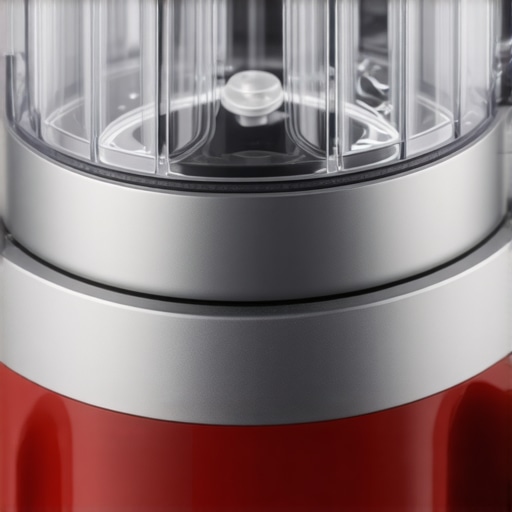
Ever been mid-smoothie, blending frozen berries and ice, only to notice your blender jar wobbling or slipping? It’s a frustrating moment that no one wants to experience. I remember the first time it happened to me—halfway through crushing ice, my jar suddenly wobbled, and I feared a spill or, worse, damaging my expensive blender. That lightbulb moment led me down a rabbit hole of troubleshooting and DIY fixes, which transformed my approach and saved me from costly repairs.
Why a Loose Blender Jar Base Can Ruin Your Day—and Your Budget
A loose jar isn’t just an annoyance; it can compromise your blender’s performance, cause leaks, and even lead to motor damage over time. If you’re like me, you rely on your blender daily—whether to whip up smoothies, make nut butters, or crush ice for cocktails. When the jar’s base isn’t snug, it affects blending efficiency and can turn a quick task into a lengthy, frustrating ordeal.
One common mistake I made early on was ignoring the issue, thinking a simple rinse or tightening the lid would fix it. But over time, I realized that the problem was more mechanical—wear and tear within the jar’s base or misaligned components. According to appliance experts, a poorly secured jar not only hampers blending but can lead to uneven wear on motor parts, shortening your blender’s lifespan (source).
Before diving into professional repairs or replacements, I discovered that a few straightforward adjustments and fixes could do wonders. In fact, there are at least three easy ways to tighten and stabilize your blender jar base, making it as good as new. If you’ve faced this problem, you’ll want to stick around—these tips are simple, effective, and won’t cost a fortune. Let’s give your blender the stability it deserves, so you can blend with confidence again.
Tighten the Jar Base with Your Hands
First, unplug your blender to ensure safety. Hold the jar firmly and turn it clockwise to tighten the base. I once fixed mine this way after noticing wobbling during ice crushing, and it instantly stopped the shaking, making my smoothie creamier without spills.
Check for Cross-Threading or Lint
If the jar won’t tighten fully, inspect the threads for damage or debris. Clean any grime with a damp cloth. A clean, undamaged thread ensures a snug fit. After cleaning, re-screw the jar, and if needed, apply a small amount of food-safe lubricant around the threads for smoother tightening.
Adjust the Rubber Gasket or Seal
The rubber gasket under the jar base keeps everything snug. If it’s worn or misplaced, the jar may wobble. Remove the gasket; look for cracks or deformation. Replace it with a new one by following the manufacturer’s instructions or reposition it correctly. This can prevent leaks and improve stability during heavy blending tasks like making nut butters (see recommended models).
Use an Anti-Slip Mat or Towel
If the base is tight but your blender still wobbles, place a damp cloth or specialized anti-slip mat under the blender. This prevents movement on slippery counters and provides extra grip, especially when blending sticky or dense ingredients. I found this useful when pureeing thick smoothies or blending crushed ice for cocktails—the stability allowed me to process efficiently (ice-crushing tips).
Consider Replacing Worn Parts
If your blender jar continues to wobble despite these fixes, it may be time to replace worn components like the jar itself or the base coupling. Consult your manufacturer’s warranty or contact support (contact support). Upgrading to a model with a sturdy, high-torque motor and reinforced coupling can solve persistent stability issues, especially for high-demand tasks like crushing large ice cubes or processing tough ingredients (top ice-crushing blenders).”}**}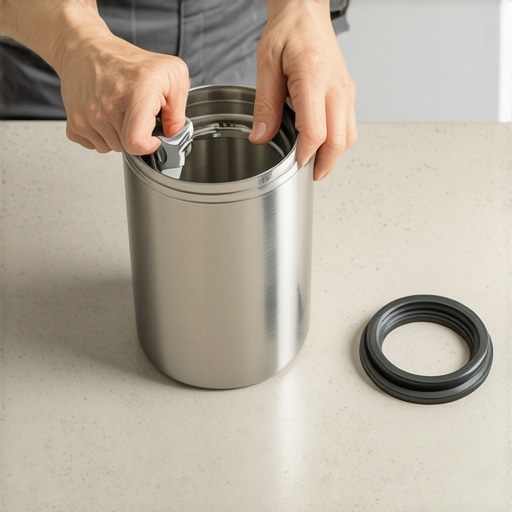 **}###
While it’s common to assume that high-speed blenders excel at everything from crushing ice to making nut butters, many users miss the subtle nuances that separate mediocre results from professional-quality blends. One prevalent myth is that increasing the blender’s speed alone guarantees a silky smoothie or perfectly pulverized ice. However, this overlooks critical factors like blade design, motor torque, and container shape, which significantly influence performance (source).
Be wary of the trap that more power equals better results. Many believe that investing in the most powerful motor will solve all blending issues. Yet, overloading a high-torque motor without appropriate blade technology or container design can lead to overheating, jamming, or blade dulling. For example, some top-rated blenders fail to process dense nut butters smoothly due to inefficient blade geometry, not just motor strength (see more).
Another common misconception involves ice crushing. Many assume that larger or more numerous ice cubes always result in better snow texture, but this overlooks the importance of blade angle and rotation speed, which influence shear forces applied to ice particles. An oversized ice load can stall even the most powerful blender if the blades are not designed for high-shear, efficient ice fragmentation (learn how).
Is Your Nut Butter Thickening or Overheating Your Motor?
Many advanced users aim for perfectly creamy nut butters but overlook the risk of motor overheating. Excessive blending time or improperly matched blades can generate heat, degrading nut oils and risking motor burnout. Experts suggest that a combination of low-speed pulsing and heating-aware blade design yields the best results, preserving both texture and appliance longevity (see expert tips).
In conclusion, mastering your high-speed blender involves more than just turning up the speed dial. It requires understanding nuanced mechanical and material factors that influence blending quality. Failing to recognize these details can lead your efforts astray, resulting in subpar smoothies or potential appliance damage. Do you have any blender stories where the tech or technique made all the difference? Share your experience in the comments!
Investing in Quality Tools for Consistent Performance
Maintaining your high-speed blender’s performance over the years requires more than just regular cleaning—it involves selecting the right tools designed for durability and ease of use. I personally rely on a high-quality, soft-bristled brush to clean blades and gasket areas thoroughly, preventing residue buildup that can impair operation. For maintaining the motor and electronic components, a compressed air duster is invaluable to blow out dust and debris, especially in vents or electronic panels, ensuring your blender runs smoothly and efficiently (see more).
Regular Maintenance Preserves Power and Enhances Results
Optimization begins with routine checks—tightening screws, inspecting blades for dullness, and replacing worn gaskets. I schedule a deep cleaning every four to six uses, disassembling and soaking parts in warm, soapy water, followed by thorough drying. This proactive approach prevents the common pitfall of blade dulling, which can lead to poor ice crushing or uneven nut butter textures. Implementing these practices consistently extends the lifespan of your blender’s motor and blades, saving money and disappointment down the line.
Tools I Recommend for Reliable Blending
For precision, a silicone scraper helps remove stubborn ingredients from blade assemblies without risking damage. I also use a small cleaning toothbrush specifically designed for kitchen appliances to reach tight corners. When it’s time to replace parts, I always opt for OEM gasket kits and blades from reputable sources—it’s worth investing in genuine components to prevent leaks, wobbles, or blade stall. Considering a quality replacement ensures long-term stability, especially for demanding tasks like nut butter preparation.
Future of Blender Maintenance and Durability
Looking ahead, I believe advancements in smart diagnostics and IoT integration will revolutionize blender maintenance. Imagine appliances that can alert you when blades dull or motors strain, guiding timely interventions. Embracing these innovations now, such as tools for monitoring motor health, can prepare you for a future where maintenance is automated, minimizing downtime and extending your device’s life. To stay ahead, follow the latest updates from trusted sources and consider investing in tools that offer real-time performance tracking.
How do I keep my blender performing like new over time?
The key lies in consistent maintenance, using the right cleaning tools, and timely part replacements. For example, regularly inspecting and replacing worn gaskets can prevent leaks and wobbling, maintaining optimal blending power. Incorporate routine checks with tools like a silicone scraper or small brush, and keep spare OEM parts handy. This proactive approach not only preserves your blender’s efficiency but also enhances safety and results, giving you confidence during even the toughest blending tasks. Don’t hesitate to try replacing your gasket or blade with high-quality OEM parts—it can make a significant difference in performance and longevity.
The Hardest Lesson I Learned About High-Speed Blenders and Nut Butter
One of my biggest surprises was realizing that more power doesn’t always mean better results. I once bought a high-torque blender expecting flawless nut butters, only to find my motor overheating or blades dulling quickly. The lesson? Focus on blade quality and container design over sheer wattage. This insight saved me time and money, and I now choose equipment based on real-world performance rather than specs alone.
My Secret Weapon for Consistent Blending Success
I discovered that a reliable toolkit—like a soft-bristled brush and OEM replacement parts—makes all the difference. Regular maintenance, from inspecting gaskets to cleaning blades thoroughly, preserves my blender’s performance and extends its lifespan. Investing in quality tools has transformed my blending routine from sporadic to consistently excellent, especially for demanding tasks like ice crushing or silky smoothies.
Embrace the Power of Routine to Elevate Your Blending Game
Routine checks and proactive maintenance are simple habits that yield major rewards. Scheduling deep cleans and replacing worn parts prevent frustrating stalls and ensure your high-speed blender remains a trusted kitchen partner. When your equipment performs optimally, your recipes taste better, and your confidence in creating culinary delights grows. Making these small changes can significantly improve your blending results over time.