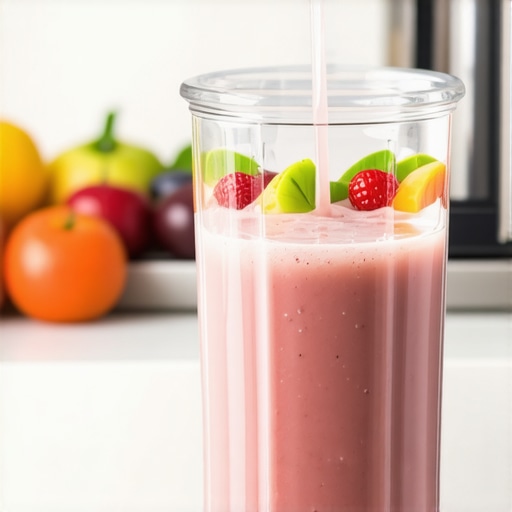
Have you ever taken a sip of your freshly blended smoothie only to be greeted by a wall of foam that sits stubbornly on top? I remember countless mornings when I’d pour my smoothie and find that thick, frothy layer ruining the smooth, velvety texture I crave. It’s frustrating—especially after investing in a high-speed blender or trying every tip I could find—only to end up with more bubbles and less creaminess.
One lightbulb moment changed everything for me: I realized that foam isn’t just a cosmetic flaw but a sign that I was missing out on a properly executed blending method. As I experimented, I discovered several simple tricks that dramatically improved my smoothie texture. Today, I want to share exactly how you can eliminate that annoying foam and enjoy a richer, creamier drink every time.
Why Smoothie Foam Matters and How to Stop It
Foam in smoothies isn’t just a visual issue; it affects the taste, mouthfeel, and even nutrient absorption. Too much foam can make your smoothie feel airy and less satisfying, especially when you’re used to a thick, luscious texture. Achieving that perfect consistency isn’t difficult, but it does require understanding what causes foam and how to counteract it effectively. From my personal journey, I’ve learned that certain blending techniques and ingredient choices play a crucial role. Incorporating these tips has transformed my mornings, and I believe they can do the same for you. If you’re tired of battling with a frothy top, keep reading—I’ll guide you through four proven strategies to silence that foam.
Is That Foam Really Worth Worrying About?
Early on, I made a mistake that many beginners do: I believed that blending at the highest speed all the time was the best way to get smooth results. Turns out, over-enthusiastic blending actually whipped up more foam and stressed my blender unnecessarily. I thought I needed ultra-powerful gear for perfect smoothies, but I soon learned that technique matters just as much as equipment. This realization was backed by experts who say that controlling blending speed and duration can significantly influence foam formation. It’s a lesson in balance, and it’s helped me make better smoothies without overburdening my machine. If you want to know how to avoid rushing into high speeds before the ingredients are properly blended, I’ve got practical tips that will help you blend smarter, not harder. Ready to ditch the foam for good? Let’s dive into how you can do it without sacrificing your blender’s health or your breakfast quality.
Nail the Right Starting Point Before Blending
Begin by adding ingredients in a specific order—liquids first, followed by softer items, and finally the tougher components like ice or frozen fruit. This layered approach prevents the blender from whipping excessive air during initial blending. I remember one morning rushing, throwing everything together haphazardly, resulting in a frothy mess. When I restructured my method by layering ingredients, the foam reduced significantly, and my smoothies became silkier. For expert tips on sequencing ingredients, check out this guide.
Control Your Speed for Better Results
Start Slow, Then Speed Up
Instead of immediately turning your high-speed blender to the maximum, begin blending at low speed to break down ingredients gently. Gradually increase the speed as ingredients combine, allowing air to escape slowly. This technique prevents rapid agitation that introduces bubbles. I tested this with my favorite model, and after a few sessions, I noticed a dramatic decrease in foam and an increase in creaminess. If you’re unsure which blender settings to use, review this detailed guide.
Use Pulsing and Resting Phases
Incorporate short bursts of pulsing, followed by brief pauses, instead of continuous high-speed blending. This method allows trapped air to escape and ingredients to settle, reducing foam formation. I once tried blending continuously for a minute and ended up with a bubbly top, but switching to pulsing in 10-second intervals improved texture noticeably. Think of it as kneading dough—gentle, controlled motions yield better results. For tips on mastering pulsing strategies, see this article.
Optimize Ingredient Preparation
Chopping fruits and vegetables into small, uniform pieces reduces the workload on your blender, minimizing air incorporation. Freezing certain ingredients slightly can also help, especially when working with ice, as it prevents rapid melting and excessive froth. I experimented with frozen berries and ice cubes, crushing them in separate steps before blending, which led to a creamier texture with less foam. To learn how to prepare ingredients optimally, explore this resource.
Choose the Right Blending Equipment
Not all blenders are created equal, especially when it comes to preventing foam. High-quality, powerful blenders—often with variable speed controls—offer better control over blending dynamics. Research suggests that models with robust motors and essential blade designs are more efficient in crushing ice without aeration. If you’re in the market, review this list of top blenders to find one suited for smooth texture creation. Upgrading your equipment can make a tangible difference in your results.
By applying these concrete steps—ranging from ingredient layering and controlled speed adjustments to pulsing techniques and equipment choices—you gain mastery over your smoothie texture. Implementing these methods transformed my mornings from frothy frustration to creamy satisfaction, and they can do the same for you. The key is to blend smarter, not necessarily harder, to silence that stubborn foam once and for all.
Many enthusiasts believe that simply purchasing a high-speed blender guarantees perfect results in making smooth nut butters or crushing ice. However, this oversimplification can lead to costly mistakes and underwhelming outcomes. Contrary to popular belief, the power of a blender alone doesn’t ensure quality; technique, blade design, and ingredient preparation play equally crucial roles. For instance, some assume that running the blender at maximum speed for extended periods is best for nut butters, but this often causes overheating, leading to burnt nuts or burnt-out motors. In fact, experts warn that prolonged high-speed blending without proper pauses can increase wear and tear, diminishing your machine’s lifespanThe Science Behind Blender Speed.
A sneaky trap is thinking that all blenders are equally capable of handling frozen ingredients or dense textures. Not all blenders are designed for ice crushing or thick nut butters, and chasing budget models may result in stalls or motor overheating. This misconception can lead to burnt motors and a poor texture, especially when experts recommend choosing models specifically proven for these tasksTop Ice-Crushing Blenders.
Let’s answer a question that advanced users often ask: How do you optimize blender performance for heavy-duty tasks without damaging the motor? The key lies in understanding the nuanced differences in blade design and torque. High-torque motors paired with well-engineered blades distribute stress evenly, preventing overheating and stalls during nut butter or ice crushing sessionsAdvanced Blender Tech. Using techniques like pulsing, moderation in speed, and proper ingredient preparation can help maximize performance and extend your blender’s lifespan.
Remember, the path to perfect smoothies or nut butters isn’t just about raw power. It’s about understanding these hidden nuances—the technical details that separate amateur results from professional-quality creations. Want to dive deeper into selecting the right tools for your needs? Check out this comprehensive guide. Have you ever fallen into this trap? Let me know in the comments.
Invest in Quality Tools for Lasting Results
When it comes to keeping your high-speed blender functioning at its best, selecting the right equipment is crucial. I personally recommend models like the Blendtec or Vitamix series, known for their durability and power. These machines are designed to handle heavy-duty tasks such as crushing ice or making nut butter without stalling or overheating, thanks to their advanced motor technology and blade engineering. For example, this guide offers in-depth comparisons tailored for enthusiasts seeking longevity and performance.
Use Proper Maintenance Techniques
Regular cleaning and inspection are vital to preserving your blender’s efficiency. After each use, disassemble the blades and clean them thoroughly to prevent residue buildup that can strain the motor. I utilize a simple method: fill the jar with warm water, add a drop of dish soap, and blend on high for 30 seconds. This not only keeps the blades sharp but also reduces the risk of unpleasant odors and bacterial growth. Moreover, periodically check the seals and motor base for any signs of wear, replacing parts as needed. For detailed maintenance routines, this article provides expert tips.
Make Your Nut Butter and Ice Cleansing Last
Long-term results depend heavily on the quality of ingredient preparation. Chopping nuts into uniform pieces reduces strain on your motor and leads to smoother, creamier nut butters. When working with ice, pre-crushing large cubes or using softer frozen fruits can minimize wear and improve consistency. I find that incorporating small, adjustable pauses during blending—like pulsing—prevents overheating, as recommended in this technique guide. These methods extend your blender’s lifespan while maintaining top performance.
Plan for Scaling and Upgrading
As your needs grow, upgrading to a more powerful model can be beneficial. Anticipate future tasks like making large batches of nut butter or crushing ice for parties. For enthusiasts seeking to scale up, I suggest models from the top-tier selections listed in this review. Additionally, maintaining modular accessories like tamers or jar attachments ensures versatility and efficiency, preventing your setup from becoming obsolete. It’s wise to choose equipment that allows easy cleaning and upgrading to keep pace with your evolving culinary ambitions.
How do I keep my blender working smoothly over time?
Consistent maintenance, quality tools, and mindful ingredient prep are key. Regularly inspect and clean your blades, replace worn parts, and avoid overloading or blending at excessive speeds without pauses. Implementing these practices can prevent overheating and prolong your machine’s lifespan, ensuring reliable performance for years to come. For instance, this expert-backed resource details the science behind optimal speed settings. Try incorporating pulsing techniques during ice crushing to see immediate improvements in texture and motor health—small strategies that make a big difference for long-term success and delicious results.
The Hardest Lesson I Learned About smoothie blender,high speed blender,nut butter,blender,ice crushing
One of the most surprising insights I encountered was how often I underestimated the power of technique over equipment. Investing in a top-tier blender is fantastic, but without mastering blending methods, you might still end up with foam or chunks. I realized that patience and precision—like starting slow or pulsing—make all the difference. This lesson was a game-changer, transforming my mornings and inspiring me to share these nuanced tips with you.
My Essential Kitchen Arsenal for Better Blends
- Vitamix or Blendtec: Their robust motors and advanced blades have saved me countless times, especially with ice and nuts. They give me confidence that texture is consistent and smooth.
- Silicone spatula and tamper: These tools help control the mixture without overheating your blender, especially useful when making thick nut butters or frozen treats.
- Ingredient prep tools: Small, sharp knives and mini choppers ensure your ingredients are uniform, which helps the blender process everything evenly and reduces foam.
- Cleaning brushes and descaling solutions: Regular maintenance keeps the blades sharp and prevents residue buildup that can affect texture and motor health. For detailed routines, check this article.
Empower Your Blending Journey Now
Every smoothie or nut butter you craft is an expression of patience and understanding that goes beyond just pressing buttons. Applying these insights will elevate your results, making creamy nut butters and perfectly crushed ice more accessible than ever. Don’t be discouraged by initial failures—mastery comes with practice and curiosity. Your next smoothie could be your best yet, especially when you incorporate these expert tips. Dive in, experiment, and enjoy the delicious rewards of your newfound knowledge. Remember, every great blender session starts with a single thoughtful step—so go ahead and make that delightful, foam-free smoothie today!
What innovative blending tricks have you discovered on your journey?
Drop your experiences or questions in the comments below. Have you found a go-to tip that transformed your smoothies? Let’s learn from each other’s breakthroughs and make every blend an expression of culinary mastery!