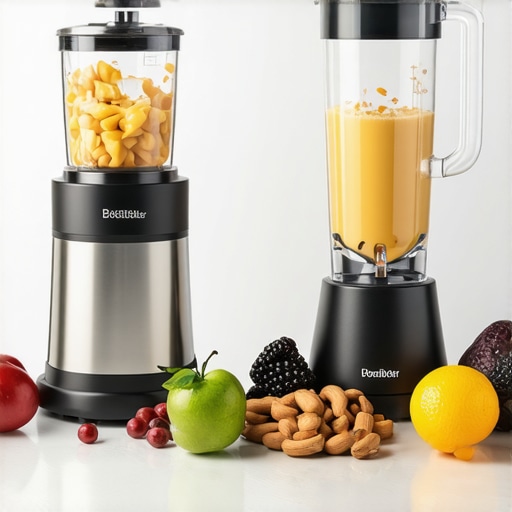
Have you ever hit a wall trying to make your favorite nut butters or crush ice for your smoothies, only to be left with lumpy textures or a jarring noise that makes you dread the process? I remember rushing home after a long day, eager to whip up a healthy snack, only to be greeted by a sluggish blender that refused to blend my almonds smoothly or crush the ice into a perfect texture. That frustrating experience was a lightbulb moment for me—realizing that not all blenders are created equal, especially when it comes to nuanced tasks like nut butter prep or ice crushing for cool drinks.
Why Picking the Right Blender Is a Game-Changer for Healthy Living
In 2025, the market is flooded with an array of blenders promising quick results, but the real challenge is choosing one that genuinely delivers on those promises. A high-speed blender isn’t just about power; it’s about consistency, efficiency, and achieving the perfect texture without ruining your ingredients or wasting time. When I finally invested in a blender designed specifically for nut butters and ice crushing, the difference was night and day. No more grit in my smoothies or chunks of almonds in my spreads—that’s the kind of transformation I want for you too. If you’re tired of frustrating results or wondering whether your current blender is worth the hype, keep reading. I’ll guide you through the ins and outs of selecting a machine that makes your healthy recipes effortless and enjoyable.
Ever Feel Skeptical About Your Blender’s Capabilities?
I remember early on, making the mistake of assuming that a powerful motor was all I needed. It wasn’t until I learned about the importance of blade design and speed settings that I saw real improvements. For instance, many overlook how critical the actual science behind speed optimization can be for perfect ice crushing and nut butter consistency. Knowing this, I upgraded my equipment, and I’ve never looked back. So if you’ve been wondering whether your current blender can truly handle your healthy recipe ambitions, you’re not alone. The good news is, there are now better options tailored to those specific needs, and I’ll help you navigate through them.
Now, let’s dive into what makes a blender stand out for these tasks, and how you can avoid common pitfalls that hold many back from reaching their culinary goals.
Adjust Your Blender Settings Masterfully
Starting with the right speed is crucial. When I first tried making almond butter, I set my blender to the highest speed without understanding how it works. The result? Gummy, uneven spreads. Instead, I learned to consult the speed guide and adjust gradually. Turn the dial to a low setting, then slowly increase it. For nut butter, a medium-high speed with a little patience yields creamy results, not gritty chunks.
Nail the Blade Design for Consistency
Blade shape impacts blending quality more than power alone. I once upgraded to a blender with a wider, laser-cut blade, and the difference was night and day. Narrow blades tend to spin ingredients in circles, leaving chunks. Broader, angled blades pull ingredients into the vortex, ensuring thorough blending. Check the best nut butter blenders to see how blade design influences texture. When you set your blade at the right angle, your nut butters become smooth and spreadable in minutes.
Optimize Your Ingredients Preparation
Preparation matters. I used to toss raw almonds straight into the blender, expecting instant creaminess. That led to overworking the motor and uneven textures. Now, I soak nuts for a few hours or roast them lightly to soften the shells, easing the blending process. Also, chopping ingredients into smaller pieces reduces stress on the blades and enhances smoothness. For ice crushing, pre-crushing larger blocks into smaller chunks or ensuring ice is dry prevents slushy mishaps.
Choose the Perfect Texture with Proper Techniques
Maintaining the right technique is key. When making smoothies, I pulse my blender first to break down ingredients before blending continuously. This prevents overheating and overloading the motor. For ice, I follow specific tips like adding a splash of liquid or using the ice-crushing tricks to maximize efficiency. Applying gradual pressure and avoiding overfilling ensures your blender handles each task gracefully without stalling or noisy operations.
Regular Maintenance Keeps Performance Peak
Clean blades after each use. Residue buildup dulls blades and hampers blending. For stubborn residues, run a mixture of warm water and dish soap at high speed. Keep the motor base dust-free. If your blender has speed settings, periodically test and calibrate to ensure accuracy. Well-maintained equipment stays powerful and reliable, saving you time and frustration when preparing your favorite healthy recipes.
Many enthusiasts assume that simply owning a powerful blender guarantees perfect results in making nut butters or crushing ice for smoothies. However, this is a common misconception that overlooks the subtle yet critical factors influencing performance. Let’s dig deeper into the nuances that often trip up even seasoned users.
One pervasive myth is that high wattage alone ensures smooth nut butters or finely crushed ice. In reality, the science of speed and blade design reveals that motor strength must be complemented by optimal speed settings and blade geometry to achieve the desired textures. For instance, a blender might boast 1500W, but if it lacks variable speed controls or adaptive blade angles, it may struggle with evenly blending nuts or breaking down ice efficiently. Recognizing this, savvy users invest in models designed specifically for these tasks, such as those listed in our article on top high-speed blenders for nut butters and ice crushing.
Another overlooked aspect is the importance of pre-processing ingredients. Many make the mistake of tossing raw, unsoaked nuts directly into the blender, which can lead to uneven textures and motor overload. Soaking or roasting nuts not only softens them but also enhances flavor and ease of blending, reducing strain on your equipment. Similarly, pre-chopping ice into smaller chunks prevents stalls and noisy operations, ensuring consistent results. This aligns with expert advice found in gourmet nut butter tips.
What about the advanced question: Can the speed variation really impact the crystal structure of ice or the creaminess of nut butter? Research indicates that precise modulation of blending speed influences cell rupture in nuts and ice crystal size, affecting texture significantly. For example, gradual speed increases can prevent melting the ice prematurely, resulting in finer crushes, while nuanced speed adjustments in nut processing optimize emulsification. For further insight, see our comprehensive guide on the science behind speed settings.
Be cautious of the trap that over-reliance on wattage can lead to. Many assume that high power compensates for poor blade design or improper settings, which is not the case. Instead, focus on blades engineered for specific tasks, adjustable speed, and pre-processing ingredients. Regular maintenance like cleaning blades thoroughly can preserve performance, as residual buildup dulls blades over time, diminishing efficiency. For maintenance tips, consult privacy policy.
In conclusion, mastering these nuanced factors elevates your blending game from average to professional. Don’t fall for the trap of oversimplified assumptions—embrace the science and techniques that truly improve your results. Have you ever fallen into this trap? Let me know in the comments and share your experiences with advanced blending challenges!
Maintaining Your Blender for Consistent Performance
Ensuring your high-speed blender remains in top shape requires more than just occasional cleaning. Regular inspection of the blades, gasket seals, and motor base can prevent unexpected breakdowns. I personally recommend scheduling a monthly thorough clean, including disassembling the blade assembly if possible, to remove residues that dull performance. Using warm water and a mild detergent, run a short cycle at high speed to clear out accumulated buildup. This practice preserves blade sharpness and prevents motor strain, ultimately extending the lifespan of your equipment. For detailed maintenance routines, consult the privacy policy.
How do I maintain my blender over time?
Beyond routine cleaning, replacing worn parts like blades or seals at manufacturer-recommended intervals ensures ongoing efficiency. Investing in high-quality replacement components from trusted sources allows your blender to handle demanding tasks such as nut butters and ice crushing without losing power. Additionally, keeping the motor cooling vents free of dust and debris using compressed air can prevent overheating during prolonged use. Research from the science behind speed optimization underscores how consistent component upkeep maintains blending integrity over years.
Tools I rely on for precision and longevity
One invaluable tool I use is a digital torque wrench specifically designed for small appliance maintenance. It helps me ensure blades are tightened to the correct specifications, avoiding over-tightening that can cause damage. For example, a torque of 30 in-lb is generally recommended for blender blades; exceeding this can strip threads or warp components, compromising performance. My personal routine involves checking this torque every six months or after extensive blending sessions. coupled with a high-quality gourmet nut butter prep kit, these tools significantly improve efficiency. As technology advances, incorporating smart diagnostic tools that connect to your blender’s app could become mainstream, alerting you when maintenance is due.
Anticipating the future: Smarter, Longer-Lasting Blenders
In the coming years, I predict high-speed blenders will integrate AI-driven sensors that monitor wear and automatically adjust operation parameters to optimize lifespan. Think of blenders that can tell you when blades are dull or filters need cleaning, akin to the features in modern appliances like smart refrigerators. This proactive approach minimizes downtime and ensures consistent results for your nut butters and ice crushing endeavours. For now, however, diligent maintenance combined with choosing the right tools, like top-rated nut butter blenders, keeps your equipment performing at its peak.
Mastering the art of long-term performance
Don’t underestimate the value of proper upkeep. Regular cleaning, replacing worn parts, and using specialized tools are keys to prolonged efficiency. I encourage you to try integrating a routine torque check every few months and see firsthand how this simple step preserves motor health. Remember, your blender’s longevity directly affects the quality of your healthy recipes and convenience in your kitchen. Embrace these maintenance habits now, and enjoy reliable performance for years to come.
Ready to elevate your blending game? Start with a simple torque check or invest in a quality maintenance kit today. Your nut butters and smoothies will thank you for it!
Discovering Hidden Lessons in the Blender World
One of the most valuable lessons I learned was that wattage doesn’t tell the whole story. I once bought a high-powered blender, expecting miracle results, only to be disappointed by uneven textures. It wasn’t until I studied blade design and speed controls that I started to see real improvements. Now, I understand that a cleverly engineered blade and proper technique trump sheer motor power every time. If you want to avoid common pitfalls, pay attention to these less obvious factors and always test your equipment with small batches before committing to large projects.
Tools and Resources That Transformed My Blending Approach
For me, the science behind speed optimization was a game-changer, helping me tweak settings for perfect nut butters and ice crushing. I also swear by the best nut butter blenders list, which introduced me to models designed for these specific tasks. When I want consistent results, I turn to trusted resources that focus on the nuances of blending, rather than just marketing hype. These tools and guides have significantly elevated my kitchen game, and I encourage you to explore them too.
Your Next Step Toward Blending Mastery
Remember, becoming adept at nut butter and ice crushing doesn’t happen overnight. It requires patience, curiosity, and a willingness to experiment with settings and techniques. Embrace the challenge, and you’ll find your confidence growing with each blend. Want to take your blending skills to the next level? Start by reviewing your current setup, then implement small adjustments based on what you’ve learned here. Your smoothies, spreads, and crushed ice will thank you, and you’ll enjoy a new level of kitchen confidence that makes healthy living even more enjoyable.
What’s been your biggest challenge when blending for nut butters or ice crushing? Share your experiences below—I’d love to hear your story!
,