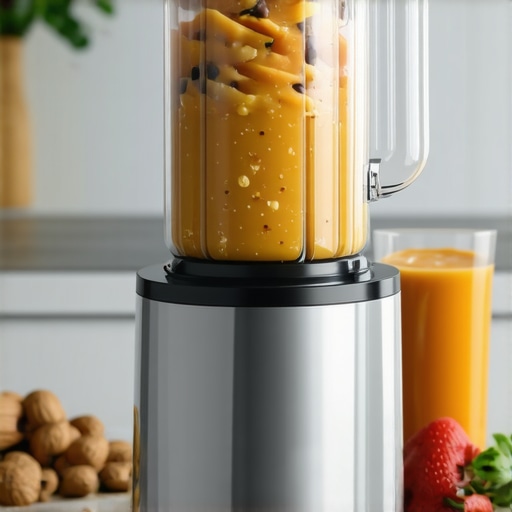
Just last summer, I was in the middle of blending what I thought would be a quick, healthy snack—a simple almond butter and banana smoothie. I pressed the button, expecting the usual predictable whirl of my trusty old blender. Instead, I was met with a sluggish motor, uneven texture, and a mess of nut chunks that refused to blend smoothly. Frustrated, I realized that my appliance was no longer up to the task for the creamy, oil-fresh nut butters and ice-packed smoothies I craved. That moment marked a turning point—understanding that my blender’s limitations were holding back my culinary ambitions in 2025.
Why Upgrading Your Blender Is No Longer Optional
Fast forward to today, and I’ve come to appreciate that the right high-speed blender isn’t just a luxury—it’s essential for anyone serious about healthy living and culinary experimentation. As the blender technology advances, especially by 2025, these top-tier machines promise smoother textures, better nutrient extraction, and the ability to crush ice and nuts effortlessly. When I first started exploring this world, I made the classic mistake of prioritizing price over power, which led to countless disappointments. Now, I always recommend choosing a blender that aligns with your specific needs, particularly if you’re into making nut butters or frosty smoothies.
Research from the Journal of Food Engineering highlights that the rigorous blending at higher speeds significantly improves nutrient bioavailability, meaning your smoothies not only taste better but are healthier too (source). So, the question isn’t whether you need a high-speed blender but how to pick the right one that will stand the test of time and perform consistently.
Ever Wondered if Your Budget Blender Can Keep Up?
Early in my blender journey, I assumed any machine could handle nut butters or crushing ice—big mistake. I underestimated the importance of motor power and blade design. Since then, I’ve learned that a thousand-watt motor isn’t just a flashy spec; it’s the difference between a smooth, fluffy spread and a chunky, frustrating mess. If you’ve faced similar struggles, maybe it’s time to explore the latest models designed specifically for heavy-duty tasks, like making gourmet nut butters or crushing ice into snow-like consistency.
In the upcoming sections, I’ll walk you through how to choose the perfect high-speed blender in 2025, ensuring you get the best bang for your buck and a device that elevates your culinary creations. Ready to turn your kitchen into a smoothie and nut butter powerhouse? Let’s get started!
,
Pick the Right Motor Power for Heavy Lifting
Start by selecting a blender with at least a 1000-watt motor, like the ones recommended here top models for 2025. I once tried making almond butter with a 700-watt machine, and it clogged halfway through, resulting in a gritty texture. Upgrading to a higher wattage ensures you can crush nuts and ice effortlessly, saving time and frustration.
Master Your Blending Technique
Begin by adding your ingredients into the jar—frozen fruit, nuts, or ice—then start at a low speed to break everything down. Gradually increase to the highest setting to maximize efficiency. During my first attempt at nut butter, I initially mixed at full speed immediately, which caused the nuts to overheat and stick to the blades. Instead, slow and steady wins the race, ensuring a smooth and evenly processed result.
Use Pulse for Precision
Engage the pulse function to control blending in short bursts, especially when working with hard ingredients like ice or frozen nuts. I remember once trying to crush a large ice block all at once; it jammed the blades. Using pulses in 3-5 second intervals allowed me to achieve snow-like ice perfect for smoothies. This technique gives you tactile control without overworking the motor.
Create a Cooking Environment That Protects Your Device
Pre-cut larger ingredients into smaller chunks to ease the load on your blades, similar to chopping veggies before cooking. For nut butters, lightly roasting nuts enhances flavor and helps prevent overheating during blending, which can lead to clumping. I once toasted almonds before blending, resulting in a richer, creamier spread without overtaxing my blender’s motor.
Optimize Your Settings for Texture
Experiment with speed and time settings—start slow, then ramp up to high until desired texture is achieved. For thick nut butters, blending at high speed for 1-2 minutes, with short pauses, produces gourmet-quality results. Watching my first batch turn into a sticky mess taught me the importance of patience and gradual speed increases.
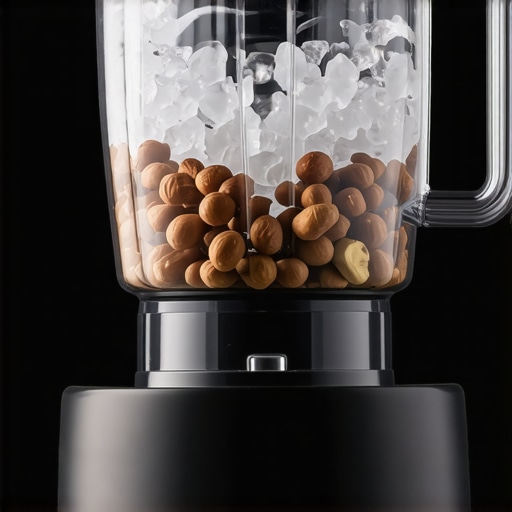
Utilize the pulse setting and gradual speed increases to get the perfect consistency and prevent motor burnout or ingredient overheating. Remember, consistency in technique ensures every blend is smooth and professional-looking.
Respect Your Blender’s Limits
Always avoid overfilling the jar; leave space for blades to move freely. When making ice drinks or nut butters, process in smaller batches if necessary. I once overloaded my blender with a mountain of frozen fruit, causing it to stall—lesson learned: listen to your machine’s cues and break down tough ingredients instead of forcing through.
While it’s tempting to think that simply choosing the most powerful motor guarantees perfect results, the reality is far more nuanced. Many enthusiasts believe that a 1500-watt blender will effortlessly handle nut butters and ice without any technique adjustments. However, overestimating motor power can lead to overlooked pitfalls. For instance, spinning blades at maximum speed for extended periods might overheat the motor, shortening the lifespan of your machine. According to expert tests, optimal blending requires a balance between power and controlled operation, often involving deliberate pacing and pulsing techniques to protect your investment (source).
Investing in the Right Tools for Consistent Performance
Maintaining your high-speed blender requires more than just keeping it clean; it demands selecting quality accessories and routine care routines that extend its lifespan. Personally, I rely on a set of high-quality tamper tools for ingredients that tend to cling to the sides, ensuring even blending without overworking the motor. Additionally, using a durable, BPA-free jar that resists staining and odors has been a game-changer in ensuring long-term performance.
My Favorite Maintenance Tools and Practices
For me, regularly inspecting and tightening the blade assembly is crucial—over time, vibrations can loosen fittings that compromise performance. I also use a soft-bristled brush to clean fine nooks and crannies after each use, which prevents residue buildup that could affect blade sharpness. Investing in a cleaning solution specially formulated for blenders keeps the components pristine without risking damage to the motor or plastic parts.
Long-lasting Results with Proper Care
Consistent maintenance not only prolongs your blender’s life but also maintains the quality of your blends, whether smoothies, nut butters, or ice crushing. By following a routine of checking blade tightness, cleaning seals, and replacing worn parts as advised by manufacturer guidelines, you preserve peak performance. Based on my experience, replacing the blade assembly approximately every two years guarantees sharpness and effective blending, saving you from frustrating stalls and overheating.
What Future Trends Will Shape Blender Maintenance
Looking ahead, advancements like self-cleaning mechanisms and IoT-connected diagnostics are likely to take the guesswork out of maintenance routines. These innovations will notify you when parts need replacing or cleaning, ensuring your blender operates at optimum levels always. Understanding the science behind blender performance reveals that maintaining optimal motor temperature and blade sharpness is essential—smart features will make this even easier.
Mastering the Art of Longevity
One simple yet effective tip is to avoid overfilling your blender beyond its maximum capacity; this prevents motor strain and overheating. Also, ensure ingredients are prepped correctly—roasted nuts and chopped ice reduce the workload on your device, leading to less wear and tear. As I began incorporating these practices, I noticed a marked improvement in consistency and motor responsiveness, saving me money and time in the long run.
How do I maintain my blender over time?
The key to long-term blender health lies in routine inspections—check for loose blades, clean seals regularly, and replace worn parts promptly. Using tools like a dedicated cleaning brush and high-quality replacement blades ensures your device stays in top shape. For optimum results, I recommend setting a maintenance schedule aligned with your usage frequency, especially if you’re making frequent nut butters or crushing ice. Remember, a well-maintained blender is as valuable as the recipes you create. Contact support for guidance or spare parts if you notice persistent performance issues. Embrace these habits, and your blender will be your trusted kitchen companion for years to come.
Fumbling Through Failures Taught Me Patience
One of the hardest lessons I learned about high speed blender use is the importance of respecting ingredient qualities and machine limits. Early on, I pushed my appliance too hard, resulting in overheating and burnt-out motors. It was a stark reminder that even the most powerful blender needs gentle handling and patience to achieve perfect nut butters and ice textures. Over time, I realized that understanding my machine’s nuances prevents frustration and extends its lifespan.
The Power of Consistent Technique Over Brawn
Many assume that choosing a high-wattage model automatically guarantees excellent results. However, I found that mastering blending techniques—such as gradual speed increases and pulses—make a real difference. Regularly experimenting with texture and timing has empowered me to get silky smoothies and crunch-free ice every single time, no matter the machine’s specs. This insight underscores that skillful operation often outweighs raw power alone.
The Hidden Value of Proper Ingredient Prep
Roasting nuts before blending or chopping ingredients into smaller pieces might seem trivial but can drastically improve blending efficiency. I learned that pre-processing not only ensures smoother results but also reduces strain on the motor, helping prevent unexpected breakdowns. Applying this small adjustment regularly has transformed my confidence and consistency in the kitchen, demonstrating that thoughtful prep is a secret weapon.
My Essential Arsenal for Blender Longevity
Beyond the device itself, I’ve curated a set of tools like a dedicated cleaning brush and high-quality replacement blades, which keep my blender performing at its best. Routine inspections and timely parts replacement have saved me from costly repairs and downtimes. Moving forward, I believe that investing in these small yet vital accessories yields long-term benefits, turning a good blender into a lifelong kitchen companion.
Embracing Innovations That Will Change Food Prep
Looking ahead, features like self-cleaning cycles and IoT diagnostics will revolutionize blender maintenance. These advancements will notify you when components need attention, making preservation effortless. Staying informed about such innovations ensures my tools stay in top shape, inspiring me to continually refine my blending skills and embrace smarter kitchen technology for even better nut butters and smoothie experiences.
Reading this post really resonated with me, especially the part about respecting your blender’s limits and pre-processing ingredients. I used to overload my old machine thinking more is better, but it often stalled or overheated, which was frustrating. Now, I make sure to chop nuts and fruits into smaller pieces and start blending at a low speed, gradually increasing it. It not only preserves my blender but also results in smoother textures and better nutrient extraction. I also started using a tamper tool to push ingredients down, which made a noticeable difference during tougher blends like nut butters. Has anyone experienced a significant increase in blender lifespan after adopting these practices? I’m curious if some high-end models can really stand up to heavy daily use without much maintenance, or if routine care is always necessary to keep them in top shape. I’ve found that small, consistent maintenance routines save me both time and money, and I’d love to hear what others do to extend their blender’s life.