![3 Tactics for Creamy Nut Butter Without Smokin' Your Motor [2026]](https://blenders.kitchentechhq.com/wp-content/uploads/2026/01/3-Tactics-for-Creamy-Nut-Butter-Without-Smokin-Your-Motor-2026.jpeg)
I’ll never forget that moment in my kitchen—my high-speed blender whirling away, trying to turn a handful of almonds into smooth, luscious nut butter. Suddenly, a harsh smell wafted up, and I heard that unsettling grind, grind, grind—like my motor was crying for mercy. It was almost a shock; I realized I’d pushed my blender too hard, and instead of creamy goodness, I was risking a burnt-out motor. That day, I learned the importance of selecting the right tactics to achieve perfect nut butters without risking my appliance’s longevity.
Why Choosing the Right Blender Tactics Matters
Now, if you’ve ever wrestled with making nut butters or felt your blender struggle on frozen ingredients, you’re not alone. Many home chefs aim for that velvety texture but find themselves caught in the cycle of blender stalls, overheating, or worse, damage to their cherished appliances. The truth is, mastering a few smart techniques can make all the difference—saving your motor, enhancing flavor, and ensuring your nut butters turn out perfectly every time.
Is It Really Worth the Fuss to Master These Tactics?
Early in my experimenting, I fell into the trap of just cranking up the speed, thinking more power equated to better results. Big mistake. I overlooked basic principles, like how to properly prep ingredients or use pulse functions effectively. According to recent studies, using optimal blending techniques not only preserves your equipment but also improves overall nutrient extraction and flavor profile (source: The Science Behind Speed). So, yes—these tactics are absolutely worth your attention. By the end of this, you’ll see how simple adjustments can prevent burnout and give you smooth, delicious results without the stress.
Ready to see how it’s done? Let’s dive into the specific strategies that will keep your blender humming happily while you whip up gourmet nut butters and more.
Prep Your Ingredients for Smooth Blending
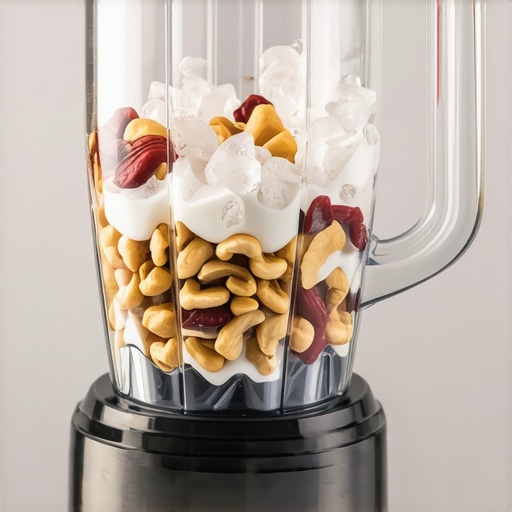
Begin by roasting nuts lightly in the oven for 10 minutes to enhance flavor and soften them slightly, which reduces strain on your motor during blending. Use a spatula to toss nuts halfway through for even roasting. Once cooled, measure out the amount needed, typically between 1 to 2 cups for a batch. Properly prepped ingredients are like laying a solid foundation for a house—essential for smooth results and motor longevity. I once tried blending raw almonds straight from the fridge, which caused my blender to stall repeatedly; roasting eliminated that issue and sped up the process.
Start with Pulses and Lower Speeds
Instead of hitting high speed immediately, begin with short pulses to break down nuts or ice into manageable pieces. This is akin to crushing ice with a hammer—gentle, controlled force first, then more vigorous action. For example, I once attempted to blend frozen berries at full blast; the blades stuck, and the motor overheated. Switching to pulsing cracked the fruit gently, preventing stalls and overheating, and preserving blade sharpness. Use the pulse function effectively—about 2-3 seconds on, 1-second pause—to gradually build texture.
Adjust Speed Settings Carefully
Use your blender’s speed controls in stages: start at low (around 2-3 on a high-speed blender), then shift to medium (4-6), and finally high (7-10) as ingredients break down. Think of it like pedal control on a bike—modulate pressure for smooth acceleration. Higher speeds generate friction and heat, so avoid staying at maximum for extended periods. I remember pushing my blender to its max when making almond butter, resulting in burnt smell and shut-down; dialing back speed prevented this and kept my motor happy.
Incorporate Liquids and Use Tamper Tools
Add a small amount of oil or water to facilitate processing, especially with dense nuts or fibrous ingredients. Liquids act as lubricant, Much like adding oil in a machine to prevent friction. When making nut butters, start with about 1 tablespoon per cup of nuts. Use a tamper or spatula to push ingredients toward the blades—think of it as guiding a rough riverbed into a smooth channel. I once watched my blender struggle with dry ingredients until I added a splash of oil, which made everything flow seamlessly.
Utilize Proper Blending Cycles and Rest Periods
Many high-speed blenders have pre-programmed cycles—use these as they optimize blade speed and duration. Between cycles, turn off and let the motor rest for 30 seconds; this prevents overheating. Imagine running a marathon and then taking water breaks—rest helps rebuild energy. I used this technique when making a large batch of smoothies; alternating blending and resting kept my machine cool and resulted in creamier textures. Visit these tips for advanced blending strategies.
Clean and Maintain Your Blender Properly
After each use, run a quick cycle with warm water and dish soap to clear residue—this keeps blades sharp and motor protected. Regularly check and tighten blade assembly and lubricate if necessary. Think of your blender as a car—you wouldn’t neglect oil changes! Doing so extends lifespan and ensures your next batch is as smooth as the first. Proper maintenance prevents the burnt smell I once experienced after neglecting cleaning routines.
< >
>
When it comes to blending, many enthusiasts rely on common wisdom that often leads them astray. A prevalent misconception is that increasing speed endlessly results in better textures, but in reality, this can cause overheating and motor strain—especially with dense ingredients like nuts or ice. Advanced users know that understanding the nuances of blending techniques, such as pulse control and ingredient prep, is crucial for optimal results. Research indicates that high-speed blending without proper technique can degrade nutrient quality and reduce lifespan of the motor (source: The Science Behind Speed).
Another mistake many make is underestimating the importance of ingredient preparation. For example, raw frozen berries or unroasted nuts can increase the likelihood of stalls or uneven blends. Properly roasting nuts or warming frozen ingredients can drastically improve efficiency and texture, saving time and preventing damage.
Are All Blenders Created Equal for Ice Crushing?
Many believe all high-speed blenders can crush ice equally well, but the truth is, not all models excel at ice. Factors like blade design, motor torque, and container shape play significant roles. For instance, top-tier blenders utilize specialized blade geometries that generate vortexes, pulling ice smoothly into the blades and preventing stalls. Attempting to crush ice in a blender not designed for it can lead to stalling, overheating, or even motor burnout. Remember, mastering the right technique—such as pulsing and layering ingredients—is vital, even with premium equipment.
Also, many overlook the critical role of cooling periods. Running the blender continuously without breaks causes heat buildup, which can weaken components and affect flavor—particularly in nut butters or smoothies. Implementing rest intervals and utilizing pre-programmed cycles can safeguard your appliance and improve texture. Check out these advanced blending tips for best practices.
Are you guilty of pushing your blender beyond its limits? Or perhaps you haven’t fully utilized pulse functions and ingredient prep? Let’s discuss your experiences below! Have you ever fallen into this trap? Let me know in the comments.
Invest in Quality Tools for Lasting Performance
Choosing the right equipment is crucial when it comes to maintaining your blender’s health over time. I personally recommend high-quality blenders with robust motors and durable blades, like the top-rated models for smoothie enthusiasts in 2025. These machines are designed to handle dense ingredients and icy mixtures without overheating or stalling, reducing wear and tear on your equipment.
Proper Maintenance Extends Longevity
Routine cleaning is essential. After each use, run a cycle with warm water and dish soap, ensuring blades are free of residue that can cause corrosion or dullness. Regularly inspect and tighten blade assemblies—loose blades can cause uneven blending and undue strain. To keep components lubricated, apply food-safe mineral oil to the blade assembly every few months, similar to how car engines need oil changes to run smoothly. Following these simple steps can drastically prolong your blender’s lifespan.
Tools I Trust for Consistent Results
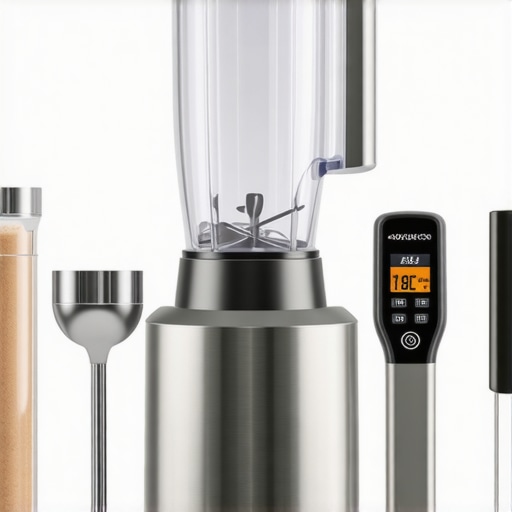
In my kitchen, I rely heavily on a few specialized accessories. A tamper tool, for instance, is invaluable for pushing ingredients toward the blades without risking container damage—especially when blending thick nut butters or frozen fruits. I prefer the paddle-style tamper designed for high-speed blenders because it minimizes mess and maximizes efficiency.
Another must-have is a digital thermometer to monitor motor temperature during intensive blending sessions. Keeping the motor below 45°C helps prevent overheating, which can lead to failure. Some high-end blenders include built-in temperature sensors, but I find a separate infrared thermometer to be a versatile and affordable tool that offers peace of mind.
Long-Term Results Require Thoughtful Scaling
If you’re considering expanding your blending setup—perhaps upgrading to multiple machines for different tasks or introducing commercial-grade equipment—it’s important to assess your needs carefully. While high-powered blenders deliver professional results, they also demand regular maintenance and a proper storage environment to prevent dust or moisture damage. Investing in a dedicated space for your appliances equipped with covers and humidity control can go a long way. Remember, even the best blender benefits from a cool, dry environment and routine checkups.
How Do I Maintain My Blender Over Time?
The key is establishing a routine: after each use, clean thoroughly; monthly, inspect blades and tighten bolts; quarterly, lubricate moving parts; and annually, consider professional servicing or replacing worn components. Don’t forget to consult your manufacturer’s guidelines—many models come with specific maintenance tips that can prevent costly repairs down the line. For example, reviewing the privacy policy of your blender’s warranty can provide insights into authorized maintenance practices.
Finally, I encourage you to try adding a small amount of food-safe mineral oil to your blade assembly this month. It’s a simple step that can significantly reduce friction and extend your blender’s life. Remember, the right tools and proper care are your best allies for delicious, consistent results for years to come.
< >
>
By investing in quality tools and adhering to good maintenance habits, you ensure your blender remains a reliable companion in your culinary adventures. Routine upkeep like cleaning, inspecting, and lubricating will not only preserve performance but also save money in the long run. As technology advances, expect future models to incorporate smarter diagnostics and self-maintenance features—making care even easier. Embrace these practices now, and your investment will reward you with perfectly blended creations season after season.
In my journey with blenders, I discovered that consistent results and appliance longevity come down to mastering some key techniques. It’s not just about pushing to higher speeds or adding more ingredients; it’s about understanding your blender’s true capabilities and working with them smartly. That aha moment saved me from frequent repairs and helped me create gourmet nut butters and silky smoothies that impress every time.
Lessons No One Tells You About Blender Mastery
One of my biggest realizations is that ingredient prep is everything—roasting nuts and warming frozen fruits can make your blender’s job much easier. Ignoring this step often leads to stalls, overheating, and frustration. Also, relying solely on high speeds without pulse control is a rookie mistake; slow, deliberate pulses build texture and prevent overheating. I learned the hard way that patience and technique outperform brute force.
What I Wish I Knew When I Started
- That proper ingredient preparation can cut blending time in half and protect your motor from burnout.
- That starting with pulses rather than immediately cranking up speed preserves blade sharpness and ensures smooth texture.
- That adding a splash of oil or liquid acts as a lubricant, reducing strain and helping ingredients blend seamlessly.
- That incorporating rest periods between cycles can dramatically extend your blender’s lifespan, preventing overheating.
- That choosing the right tools, like a tamper or thermometer, can elevate your blending game and troubleshooting skills.
Tools and Resources That Elevate Your Blender Skills
Personally, I trust high-quality blenders like the top-rated models for smoothies in 2025 because of their durability and power. A good tamper helps push thick ingredients toward the blades without damaging containers, and a digital thermometer keeps you aware of motor heat, safeguarding your investment. For recipes and tips, the nut butter secrets guide and ice crushing techniques are game-changers that can boost your confidence and results.
Your Next Step in Blender Confidence
Remember, mastering your blender isn’t about instant perfection—it’s about understanding its language and working with it. With thoughtful ingredient prep, controlled blending, and routine maintenance, you’ll unlock a world of delicious, healthy recipes that can be made reliably and efficiently for years to come. Don’t let frustration hold you back; each blend is a step toward culinary mastery. Dive in, experiment, and enjoy the process—your perfect nut butter or smoothie is just a few techniques away.
What’s your biggest challenge when blending your favorite recipes? Share your experiences below and let’s learn together!